
In the liminal spaces where nature’s wisdom meets human intention, the ethics of owl management emerge as a compelling frontier. This topic promises not only a shift in perspective but also an invitation to reexamine our intricate relationship with these enigmatic creatures. Owls, nocturnal sentinels of the wild, embody mystery, wisdom, and ecological balance. Yet, managing their populations, habitats, and human interactions beckons us to grapple with profound philosophical questions about responsibility, coexistence, and moral stewardship.
The Role of Owls in Controlling Invasive Species: A Natural Solution
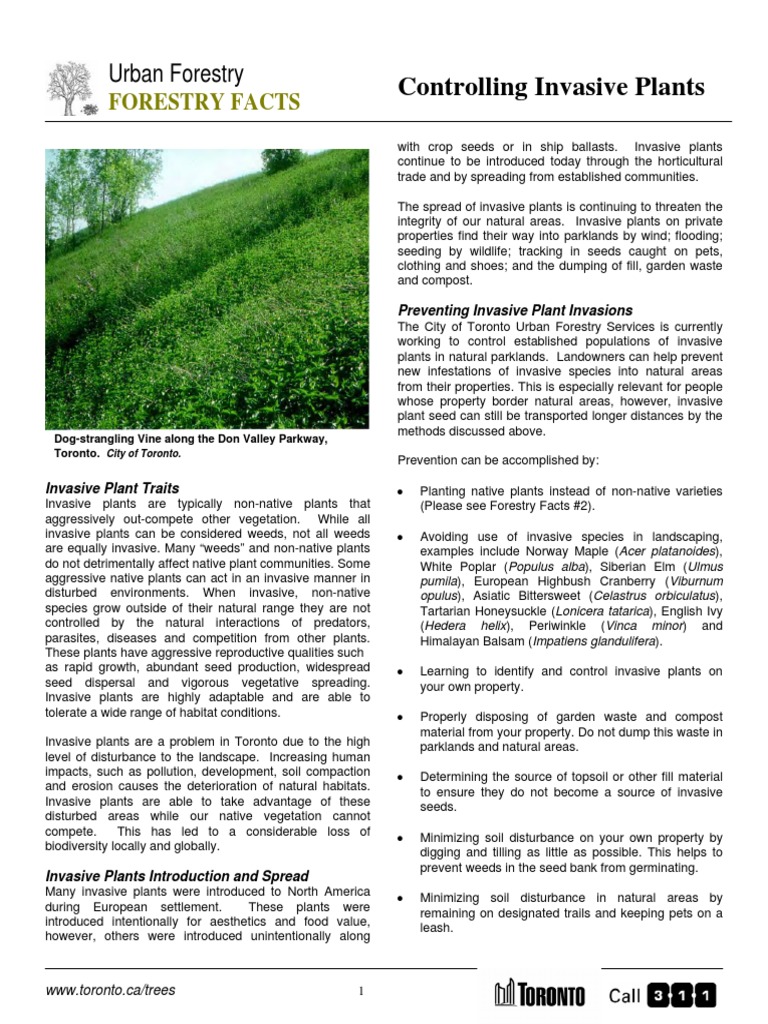
The night unfurls its velvet cloak, and with it emerges a silent sentinel—one that does not wield a sword, nor command an army, yet its presence alone reshapes the very landscape it inhabits. The owl, that enigmatic harbinger of wisdom and mystery, is far more than a creature of folklore or a nocturnal spectator to the world’s unfolding dramas. It is, in essence, a living, breathing force of ecological equilibrium, a feathered architect of balance in an era where invasive species threaten to unravel the delicate tapestry of biodiversity. In the quiet, relentless dance between predator and prey, the owl emerges not merely as a participant, but as a guardian—one whose role in controlling invasive species is as profound as it is understated.
The Future of Owl Conservation: Challenges and Opportunities
The silent sentinels of the night, owls, have long captivated human imagination with their enigmatic gaze and stealthy flight. As guardians of ecological balance, these nocturnal raptors face mounting threats in an era of rapid environmental change. The future of owl conservation is not merely a matter of preserving a charismatic species—it is a litmus test for humanity’s commitment to biodiversity and sustainable coexistence. From the mist-shrouded forests of the Pacific Northwest to the arid savannas of Africa, owls occupy niches that are as diverse as they are vital. Yet, their survival hinges on a delicate interplay of habitat integrity, human intervention, and adaptive resilience. This exploration delves into the multifaceted challenges threatening owl populations today, while also illuminating the burgeoning opportunities that could redefine their conservation for generations to come.
How Drones Are Revolutionizing Owl Research and Conservation
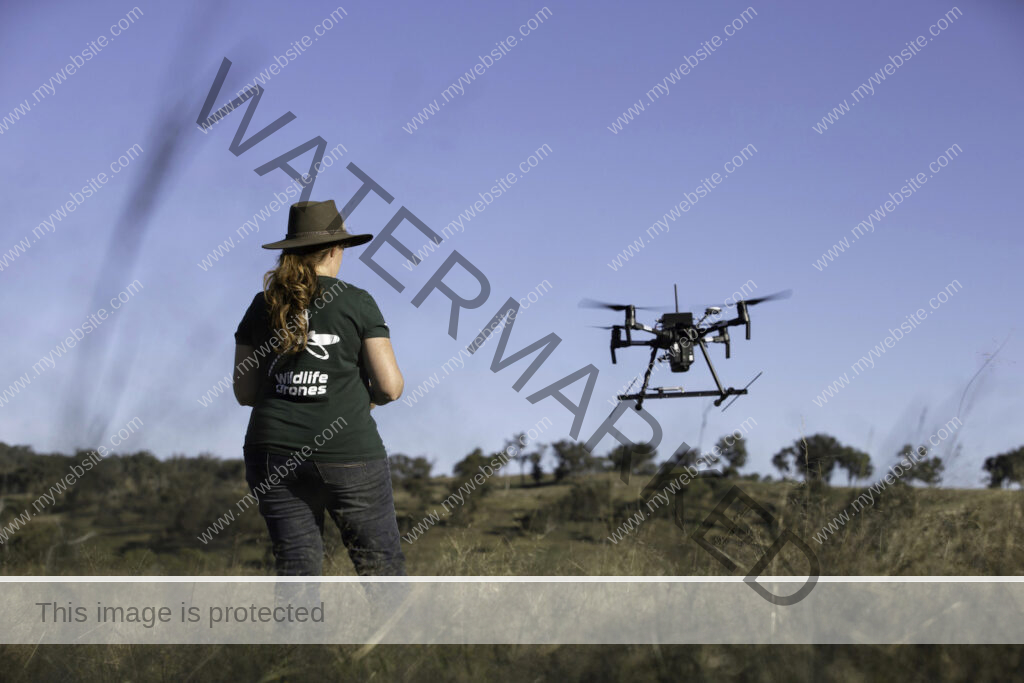
The night belongs to the owls. Silent, sentinel-like, they drift through the dark like living shadows, their golden eyes piercing the gloom with unnerving precision. For centuries, these enigmatic birds have captivated human imagination—haunting folklore as omens, revered in ancient mythologies, and studied with equal parts awe and frustration by scientists. Their nocturnal habits, elusive nature, and vast, often inaccessible habitats have long made traditional research methods painstakingly slow. But now, a new era of discovery is taking flight—not on wings of feathers, but on the hum of electric motors and the quiet whir of rotors. Drones are revolutionizing owl research and conservation, transforming what was once a labor of patience into a dynamic, data-rich endeavor. This silent technological revolution is not just changing how we study these birds; it’s redefining our relationship with the night itself.
Owl Protection in Wetland Areas: The Importance of Marshes and Swamps
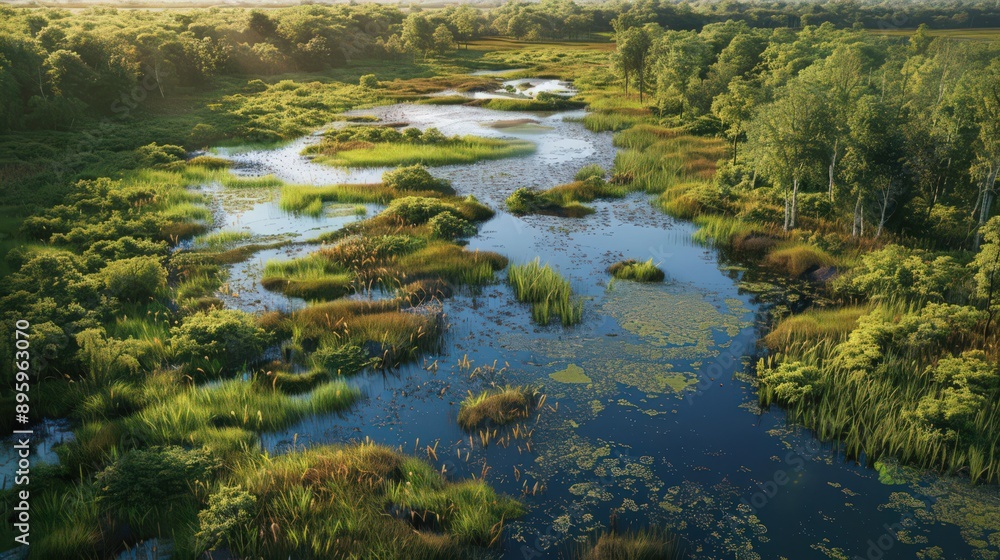
Have you ever wondered what secrets the twilight holds in a marshy embrace? What if the very wetlands we so often overlook are the silent sanctuaries safeguarding some of the most mysterious avian hunters—the owls? These ethereal forests of reeds, soggy earth, and whispering waters present a paradoxical challenge. Can such fragile ecosystems truly sustain the complex lives of these nocturnal guardians, or does their preservation teeter on the brink of an ecological conundrum?
Owl Habitats: How Forests Deserts and Tundras Shape Their Survival

The silent sentinels of the night, owls, are creatures of mystery and grace, their presence woven into the fabric of ecosystems across the globe. From the whispering conifers of ancient forests to the sun-baked dunes of deserts, and the stark, windswept expanses of tundras, these birds of prey have adapted with remarkable ingenuity. Their survival hinges on the delicate interplay between their physiology, behavior, and the environments they inhabit. To understand the owl is to unravel the secrets of the wild, where each habitat shapes not just their existence, but the very rhythm of the natural world.
Using Bioacoustics to Monitor Barred and Spotted Owl Populations
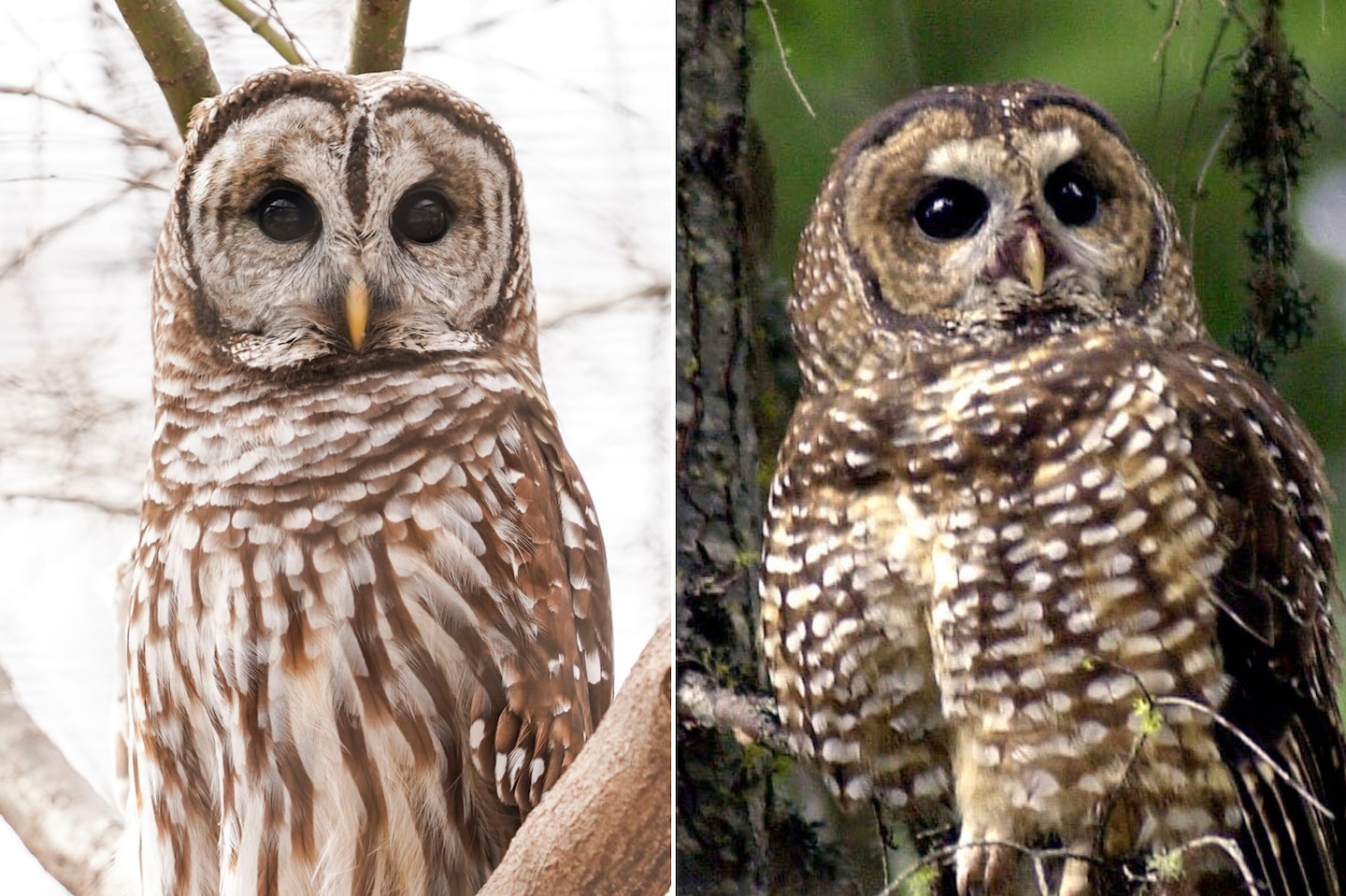
The symphony of the forest is not merely a backdrop to the wild—it is a living archive of biodiversity, a whispered dialogue between species that has unfolded for millennia. Among the most enigmatic voices in this chorus are those of the barred owl and the spotted owl, two nocturnal sentinels whose calls echo through the ancient woodlands of North America. Yet, as human encroachment reshapes their habitats, these owls face an uncertain future. Enter bioacoustics, a cutting-edge discipline that transforms sound into data, offering a non-invasive lens into the lives of these elusive birds. By tuning into their vocalizations, scientists are not only deciphering the intricacies of owl communication but also crafting strategies to safeguard their dwindling populations. This is not just about monitoring—it is about listening to the pulse of the wild and acting before the silence grows too loud.
The Northern Spotted Owl’s Last Stand: Can It Survive Without Intervention?
The Northern Spotted Owl, a creature of quiet forests and ancient canopies, now faces a reckoning. Once the undisputed monarch of the Pacific Northwest’s old-growth woodlands, its future hangs by a thread thinner than the mist curling through the Douglas firs. This isn’t just another tale of environmental decline—it’s a story of resilience, rivalry, and the delicate balance between human ambition and ecological necessity. Can this enigmatic bird, with its haunting eight-note call, survive without our intervention? The answer may redefine not just its fate, but ours as well.
How to Photograph Snowy Owls: Gear Settings and Techniques
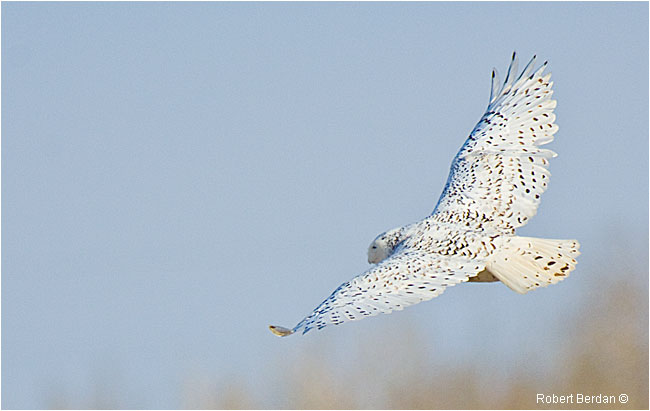
Capturing the ethereal beauty of snowy owls is an endeavor that marries patience with precision. These majestic avians, with their ghostly white plumage and penetrating gaze, have long fascinated photographers eager to immortalize their silent grace. Yet, photographing snowy owls requires more than mere presence; it demands a strategic approach to gear, settings, and techniques that can adapt to the capricious light and environments these birds inhabit. This comprehensive guide unravels the intricacies of this art, illuminating pathways to elevate your wildlife photography to new heights.
The Genetics of Owl Species: What DNA Tells Us About Their Evolution

Have you ever wondered if the silent, nocturnal flight of an owl carries within its feathers a secret code written in the very fabric of life? What if unraveling that code could rewrite our understanding of evolution itself? The genetics of owl species present a tantalizing puzzle that challenges not only our scientific grasp but also the assumptions we hold about nature’s enigmatic architects of the night. This journey into the DNA of owls is more than a voyage of discovery; it’s an invitation to ponder how these mysterious birds have carved out their evolutionary niche through millions of years of genetic intrigue.